
Reviews
Traffic Rush Speedway captures the essence of classic arcade driving with its straightforward lane-switching mechanic. The pixel graphics and chiptune soundtrack create a nostalgic atmosphere without feeling dated. What stands out is the gradual difficulty curve: early runs feel manageable, but as scores climb, the traffic patterns demand sharper reflexes. The lack of complex controls keeps the focus on timing and anticipation. For a browser-based game, it delivers surprising depth through its scoring system and leaderboard competition. It is an excellent choice for quick sessions or extended play.
About this game
Highway Navigation & Scoring
In Traffic Rush Speedway, the core objective is to weave through a stream of slower-moving cars on a multi-lane highway. Each time you safely pass a vehicle, your score increases. The game tracks consecutive overtakes, and maintaining a streak multiplies the points earned per pass. This scoring system encourages players to stay aggressive and keep moving forward, but a single collision resets the run, adding tension to every lane change.
Controls & Responsiveness
The control scheme is deliberately simple: a single tap or click shifts your car one lane to the left or right. This minimalist input makes the game accessible to new players while allowing experienced ones to react quickly. The car responds instantly to commands, which is essential when threading through tight gaps between vehicles. There are no brakes or acceleration controls, so managing your lane position is the only way to influence your path.
Visual & Audio Style
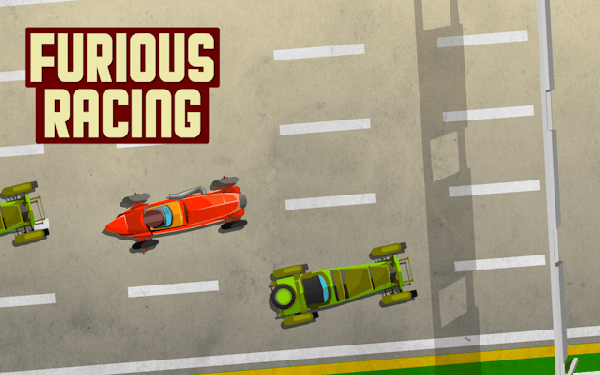
The game uses pixel art graphics that recall the look of 1980s arcade cabinets. Cars are colorful and distinct against a scrolling road background. The soundtrack is a chiptune composition with an upbeat tempo that matches the pace of play. Sound effects for overtakes and collisions provide clear audio feedback. The overall presentation is clean and uncluttered, keeping the focus on the road ahead.
Difficulty Progression
As your score climbs, the traffic patterns become more challenging. Early stages feature widely spaced cars with generous gaps. Later, vehicles appear in clusters, requiring faster decisions and more precise timing. The game does not use a traditional level system; instead, difficulty increases gradually based on your current score. This creates a smooth learning curve where players naturally improve their skills as they play.
Replay Value & Leaderboard
Because each run is unique due to randomized traffic arrangements, no two attempts feel exactly the same. The game includes a leaderboard that records the highest scores achieved. This competitive element motivates players to refine their technique and beat personal bests. The short session length makes it easy to try again after a collision, encouraging repeated play without long waits.







Comments
Sign in to leave a review
No account? Create one
No comments yet.