
Reviews
Single Stage Puzzle Challenge turns a simple concept into a compelling mental workout. The single stage design might seem limited, but the constantly shifting rules ensure that no two completions feel the same. Players must stay alert and adapt quickly, which keeps the experience fresh. The cheerful visuals and straightforward controls make it accessible, while the unpredictable rule changes provide depth for those seeking a challenge. It is an excellent choice for quick gaming sessions that demand focus and flexibility.
About this game
Core Gameplay Loop
This puzzle experience centers on a single stage that players must complete repeatedly. Each attempt presents the same physical layout but introduces a new set of rules. For example, the controls might reverse direction, or the function of interactive elements may change. This design creates a fresh challenge with every completion, encouraging players to stay alert and adapt quickly. The goal remains straightforward: move from the starting point to the exit while avoiding hazards.
Adapting to Shifting Rules
The key to progress lies in observing and understanding the current rule set before acting. Players cannot rely on muscle memory alone because the same action may produce different results in different runs. Some completions may invert movement directions, while others alter how switches affect the environment. This unpredictability keeps the gameplay engaging and prevents repetition from becoming stale. Success requires careful analysis and flexible thinking.
Visual Style and Atmosphere
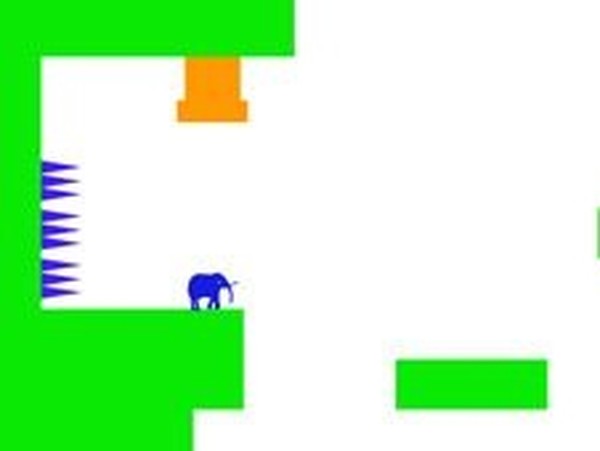
The game uses a bright, colorful palette with simple geometric shapes to create a playful environment. The character is a small, friendly animal that moves across blocks and platforms. The clean visual design ensures that players can easily identify hazards, interactive elements, and paths. This clarity is important because the shifting rules demand full attention. The cheerful aesthetic contrasts with the mental challenge, making the experience feel lighthearted despite its complexity.
Progression and Replay Value
Since the stage layout remains constant, mastery comes from learning to handle each rule variation efficiently. Players may find that certain rule sets are easier than others, but all require a unique approach. The game does not introduce new levels or content, so the replay value comes entirely from the variety of rule changes. This structure suits short play sessions, as each completion feels like a small achievement. The lack of traditional progression keeps the focus on adaptability and problem-solving.
Accessibility and Learning Curve
The simple controls and clear objectives make the game easy to pick up. New players can understand the basic mechanics within seconds. However, the shifting rules create a learning curve that rewards patience and observation. There is no penalty for failure beyond restarting the stage, which encourages experimentation. This balance between simplicity and depth makes the game suitable for a wide range of ages and skill levels. The challenge grows naturally as players encounter more unexpected rule changes.






Comments
Sign in to leave a review
No account? Create one
No comments yet.